

 3 Min Read
A few useful observations can help you describe the problem clearly when arranging a service visit
When your air conditioner stops cooling, a few quick observations make the first conversation with a technician faster and more useful. You don’t need to diagnose anything; just note what you can see and hear.
What to check first
- Is the thermostat set to cool and below the room temperature?
- Is air coming out of the vents, and is it warm or just weak?
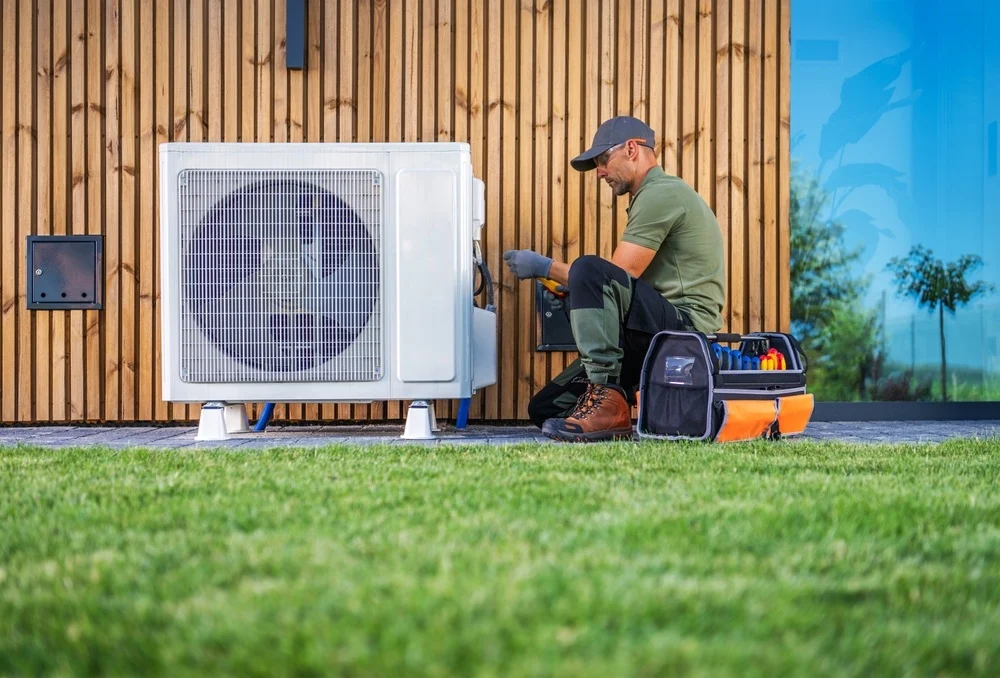
- Is the outdoor unit running, and can you hear the fan?
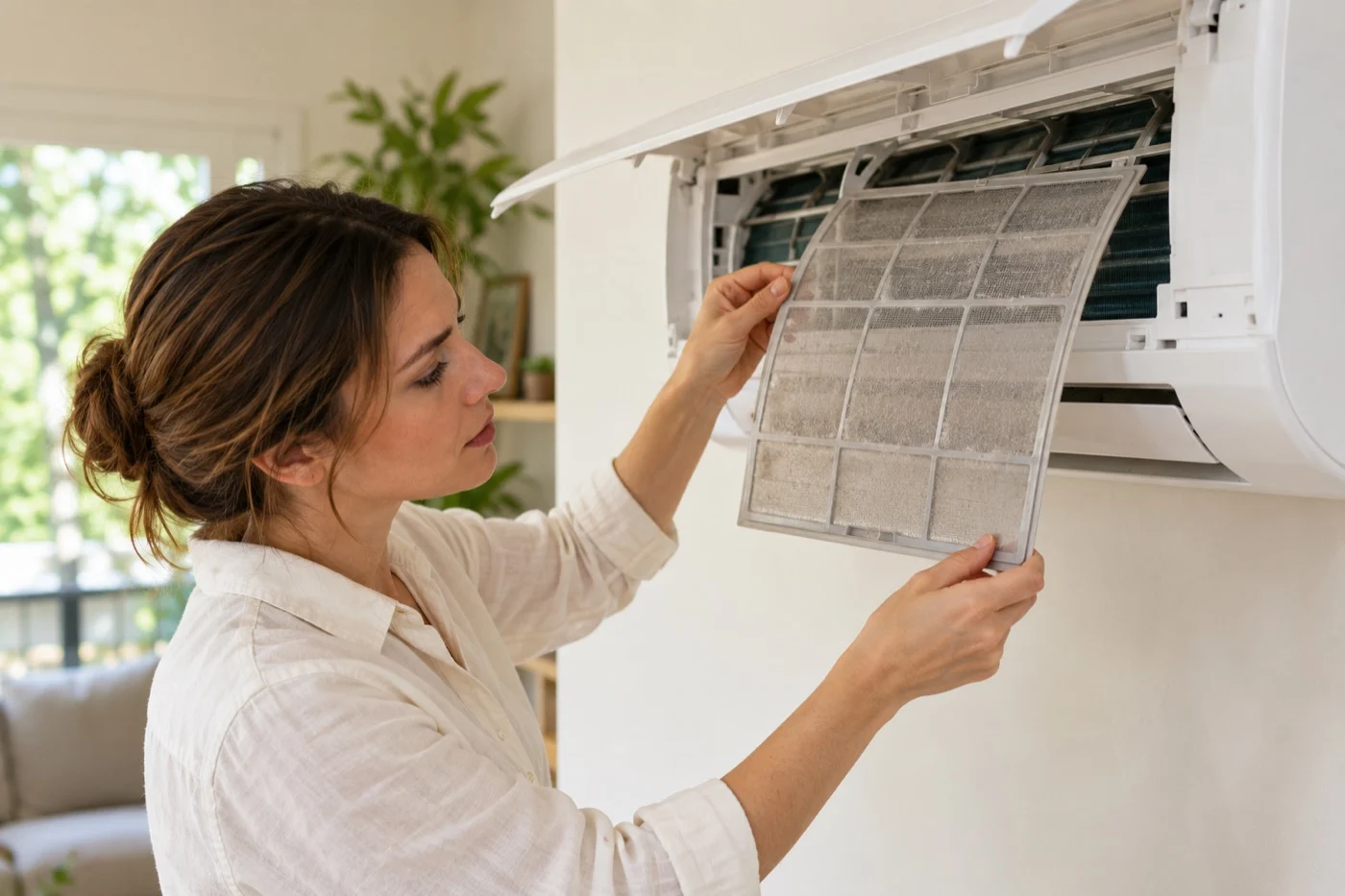
- When did you last change the air filter?
A blocked filter is one of the most common reasons an air conditioner struggles. Dust restricts airflow, the indoor coil gets too cold, and cooling drops even though the system keeps running. If the filter looks grey and clogged, note when it was last replaced; it helps the technician rule things out quickly.
Look at the whole house, not just one room
Is the whole house warm, or only certain rooms? A single hot room often points to airflow or duct issues, while a whole home that won’t cool suggests a problem with the outdoor unit, refrigerant or controls. Walk through the house and write down which rooms feel different and at what time of day.
It also helps to note the temperature the thermostat shows compared with the temperature you set. A difference of a couple of degrees on a very hot afternoon can be normal; a difference that keeps growing usually is not.
Sounds and smells worth mentioning
Clicking, buzzing, rattling or a burning smell are all useful details. If you smell burning or see ice on the pipes, switch the system off and tell us when you call. Ice on the refrigerant lines or the indoor coil means the system should rest until it is checked; running it frozen can damage the compressor.
Water around the indoor unit is another clue. A blocked condensate drain can overflow and, on many systems, a safety switch then stops the cooling altogether. Mention any leaks, stains or a full drain pan.
What happens after you call
With these notes, we can explain the likely visit, any initial charges and what happens next before anyone arrives. Submitting a request does not confirm an appointment: our team gets in touch to agree on a time that suits you, and the technician arrives knowing what you have already observed.
During the visit, the technician checks the thermostat, filter, airflow, electrical connections and the outdoor unit, then explains what they found in plain language. You decide on any repair only after you understand the options and the price.